hCaptcha图像识别AI防护机制与Python绕过技术研究
hCaptcha图像识别AI防护机制与Python绕过技术研究
技术概述
hCaptcha作为新一代基于AI的验证码系统,相比传统的文本验证码和简单图像识别,采用了更加复杂的机器学习模型和对抗性防护机制。其核心技术包括深度卷积神经网络的目标检测、语义分割算法、以及先进的对抗样本检测技术。
hCaptcha的技术架构围绕"有用的人类工作"理念设计,用户在完成验证的同时为AI训练数据标注做出贡献。这种设计不仅提高了验证的安全性,也为系统持续优化提供了数据支持。从技术角度来看,hCaptcha集成了计算机视觉、自然语言处理、行为分析等多个AI领域的先进技术。
对于网络安全从业者而言,深入理解hCaptcha的防护机制至关重要。这不仅有助于评估现有防护系统的有效性,也为开发更强大的反自动化技术提供了重要参考。本文将从底层算法实现、AI模型架构、防护策略等多个维度,全面解析hCaptcha的技术原理。
核心原理与代码实现
1. 图像识别与目标检测算法实现
hCaptcha的核心在于其强大的计算机视觉系统,该系统能够准确识别图像中的特定对象并验证用户的选择结果。其基础架构基于改进的YOLO(You Only Look Once)目标检测算法和ResNet深度卷积网络。
以下是hCaptcha图像识别系统的Python实现:
import torch
import torch.nn as nn
import torch.nn.functional as F
import torchvision.transforms as transforms
import cv2
import numpy as np
from PIL import Image, ImageDraw, ImageFont
import json
import requests
from typing import List, Dict, Tuple, Optional
import base64
import io
from dataclasses import dataclass
import logging
from sklearn.cluster import DBSCAN
from sklearn.preprocessing import StandardScaler

@dataclass
class DetectionResult:
    """目标检测结果数据结构"""
    bbox: Tuple[int, int, int, int]  # (x1, y1, x2, y2)
    confidence: float
    class_id: int
    class_name: str
    features: np.ndarray

class HCaptchaVisionModel(nn.Module):
    """hCaptcha视觉识别模型实现"""

    def __init__(self, num_classes: int = 91, num_anchors: int = 9):
        super(HCaptchaVisionModel, self).__init__()
        self.num_classes = num_classes
        self.num_anchors = num_anchors

        # 特征提取主干网络(基于ResNet-50)
        self.backbone = self._build_backbone()

        # 特征金字塔网络
        self.fpn = self._build_fpn()

        # 目标检测头
        self.detection_head = self._build_detection_head()

        # 语义分割头
        self.segmentation_head = self._build_segmentation_head()

        # 对抗样本检测层
        self.adversarial_detector = self._build_adversarial_detector()

    def _build_backbone(self):
        """构建主干特征提取网络"""
        backbone = nn.Sequential(
            # Conv Block 1
            nn.Conv2d(3, 64, kernel_size=7, stride=2, padding=3),
            nn.BatchNorm2d(64),
            nn.ReLU(inplace=True),
            nn.MaxPool2d(kernel_size=3, stride=2, padding=1),

            # ResNet Blocks
            self._make_resnet_block(64, 64, 3),
            self._make_resnet_block(64, 128, 4, stride=2),
            self._make_resnet_block(128, 256, 6, stride=2),
            self._make_resnet_block(256, 512, 3, stride=2)
        )
        return backbone

    def _make_resnet_block(self, in_channels: int, out_channels: int,
                          num_blocks: int, stride: int = 1):
        """构建ResNet残差块"""
        layers = []

        # 第一个块可能需要下采样
        layers.append(ResNetBlock(in_channels, out_channels, stride))

        # 后续块保持相同维度
        for _ in range(1, num_blocks):
            layers.append(ResNetBlock(out_channels, out_channels))

        return nn.Sequential(*layers)

    def _build_fpn(self):
        """构建特征金字塔网络"""
        return FeaturePyramidNetwork([256, 512, 1024, 2048], 256)

    def _build_detection_head(self):
        """构建目标检测头"""
        return DetectionHead(256, self.num_classes, self.num_anchors)

    def _build_segmentation_head(self):
        """构建语义分割头"""
        return SegmentationHead(256, self.num_classes)

    def _build_adversarial_detector(self):
        """构建对抗样本检测器"""
        return AdversarialDetector(2048)

    def forward(self, x: torch.Tensor) -> Dict[str, torch.Tensor]:
        """前向传播"""
        # 特征提取
        backbone_features = self.backbone(x)

        # 特征金字塔
        fpn_features = self.fpn(backbone_features)

        # 目标检测
        detection_output = self.detection_head(fpn_features)

        # 语义分割
        segmentation_output = self.segmentation_head(fpn_features)

        # 对抗样本检测
        adversarial_score = self.adversarial_detector(backbone_features[-1])

        return {
            'detections': detection_output,
            'segmentation': segmentation_output,
            'adversarial_score': adversarial_score,
            'features': backbone_features
        }

class ResNetBlock(nn.Module):
    """ResNet残差块实现"""

    def __init__(self, in_channels: int, out_channels: int, stride: int = 1):
        super(ResNetBlock, self).__init__()

        self.conv1 = nn.Conv2d(in_channels, out_channels//4, kernel_size=1, bias=False)
        self.bn1 = nn.BatchNorm2d(out_channels//4)

        self.conv2 = nn.Conv2d(out_channels//4, out_channels//4, kernel_size=3,
                              stride=stride, padding=1, bias=False)
        self.bn2 = nn.BatchNorm2d(out_channels//4)

        self.conv3 = nn.Conv2d(out_channels//4, out_channels, kernel_size=1, bias=False)
        self.bn3 = nn.BatchNorm2d(out_channels)

        self.relu = nn.ReLU(inplace=True)

        # 跳跃连接
        self.downsample = None
        if stride != 1 or in_channels != out_channels:
            self.downsample = nn.Sequential(
                nn.Conv2d(in_channels, out_channels, kernel_size=1, stride=stride, bias=False),
                nn.BatchNorm2d(out_channels)
            )

    def forward(self, x: torch.Tensor) -> torch.Tensor:
        identity = x

        out = self.relu(self.bn1(self.conv1(x)))
        out = self.relu(self.bn2(self.conv2(out)))
        out = self.bn3(self.conv3(out))

        if self.downsample is not None:
            identity = self.downsample(x)

        out += identity
        out = self.relu(out)

        return out

class FeaturePyramidNetwork(nn.Module):
    """特征金字塔网络实现"""

    def __init__(self, in_channels_list: List[int], out_channels: int):
        super(FeaturePyramidNetwork, self).__init__()

        self.lateral_convs = nn.ModuleList([
            nn.Conv2d(in_channels, out_channels, kernel_size=1)
            for in_channels in in_channels_list
        ])

        self.output_convs = nn.ModuleList([
            nn.Conv2d(out_channels, out_channels, kernel_size=3, padding=1)
            for _ in in_channels_list
        ])

    def forward(self, features: List[torch.Tensor]) -> List[torch.Tensor]:
        """FPN前向传播"""
        # 从高层特征开始处理
        result = [self.lateral_convs[-1](features[-1])]

        for i in range(len(features) - 2, -1, -1):
            lateral = self.lateral_convs[i](features[i])

            # 上采样高层特征
            upsampled = F.interpolate(
                result[0], size=lateral.shape[2:], mode='nearest'
            )

            # 特征融合
            fused = lateral + upsampled
            result.insert(0, fused)

        # 应用输出卷积
        outputs = []
        for i, feature in enumerate(result):
            outputs.append(self.output_convs[i](feature))

        return outputs

class DetectionHead(nn.Module):
    """目标检测头实现"""

    def __init__(self, in_channels: int, num_classes: int, num_anchors: int):
        super(DetectionHead, self).__init__()

        self.num_classes = num_classes
        self.num_anchors = num_anchors

        # 分类分支
        self.cls_subnet = nn.Sequential(
            nn.Conv2d(in_channels, 256, kernel_size=3, padding=1),
            nn.ReLU(),
            nn.Conv2d(256, 256, kernel_size=3, padding=1),
            nn.ReLU(),
            nn.Conv2d(256, num_anchors * num_classes, kernel_size=3, padding=1)
        )

        # 回归分支
        self.bbox_subnet = nn.Sequential(
            nn.Conv2d(in_channels, 256, kernel_size=3, padding=1),
            nn.ReLU(),
            nn.Conv2d(256, 256, kernel_size=3, padding=1),
            nn.ReLU(),
            nn.Conv2d(256, num_anchors * 4, kernel_size=3, padding=1)
        )

        # 置信度分支
        self.conf_subnet = nn.Sequential(
            nn.Conv2d(in_channels, 256, kernel_size=3, padding=1),
            nn.ReLU(),
            nn.Conv2d(256, num_anchors, kernel_size=3, padding=1),
            nn.Sigmoid()
        )

    def forward(self, features: List[torch.Tensor]) -> Dict[str, List[torch.Tensor]]:
        """检测头前向传播"""
        cls_outputs = []
        bbox_outputs = []
        conf_outputs = []

        for feature in features:
            cls_outputs.append(self.cls_subnet(feature))
            bbox_outputs.append(self.bbox_subnet(feature))
            conf_outputs.append(self.conf_subnet(feature))

        return {
            'classification': cls_outputs,
            'bbox_regression': bbox_outputs,
            'confidence': conf_outputs
        }

class AdversarialDetector(nn.Module):
    """对抗样本检测器"""

    def __init__(self, in_channels: int):
        super(AdversarialDetector, self).__init__()

        self.global_pool = nn.AdaptiveAvgPool2d(1)

        self.detector = nn.Sequential(
            nn.Linear(in_channels, 512),
            nn.ReLU(),
            nn.Dropout(0.5),
            nn.Linear(512, 256),
            nn.ReLU(),
            nn.Dropout(0.3),
            nn.Linear(256, 2),  # 正常样本 vs 对抗样本
            nn.Softmax(dim=1)
        )

    def forward(self, features: torch.Tensor) -> torch.Tensor:
        """对抗样本检测"""
        pooled = self.global_pool(features).flatten(1)
        return self.detector(pooled)

class HCaptchaImageProcessor:
    """hCaptcha图像处理和分析器"""

    def __init__(self, model_path: str = None):
        self.device = torch.device('cuda' if torch.cuda.is_available() else 'cpu')
        self.model = HCaptchaVisionModel()

        if model_path:
            self.model.load_state_dict(torch.load(model_path, map_location=self.device))

        self.model.to(self.device)
        self.model.eval()

        # 图像预处理
        self.transform = transforms.Compose([
            transforms.Resize((416, 416)),
            transforms.ToTensor(),
            transforms.Normalize(mean=[0.485, 0.456, 0.406],
                               std=[0.229, 0.224, 0.225])
        ])

        # COCO类别标签
        self.class_names = self._load_class_names()

        # 检测阈值
        self.confidence_threshold = 0.5
        self.nms_threshold = 0.4

    def _load_class_names(self) -> List[str]:
        """加载类别名称"""
        return [
            'person', 'bicycle', 'car', 'motorcycle', 'airplane', 'bus', 'train', 'truck',
            'boat', 'traffic light', 'fire hydrant', 'stop sign', 'parking meter', 'bench',
            'bird', 'cat', 'dog', 'horse', 'sheep', 'cow', 'elephant', 'bear', 'zebra',
            'giraffe', 'backpack', 'umbrella', 'handbag', 'tie', 'suitcase', 'frisbee',
            'skis', 'snowboard', 'sports ball', 'kite', 'baseball bat', 'baseball glove',
            'skateboard', 'surfboard', 'tennis racket', 'bottle', 'wine glass', 'cup',
            'fork', 'knife', 'spoon', 'bowl', 'banana', 'apple', 'sandwich', 'orange',
            'broccoli', 'carrot', 'hot dog', 'pizza', 'donut', 'cake', 'chair', 'couch',
            'potted plant', 'bed', 'dining table', 'toilet', 'tv', 'laptop', 'mouse',
            'remote', 'keyboard', 'cell phone', 'microwave', 'oven', 'toaster', 'sink',
            'refrigerator', 'book', 'clock', 'vase', 'scissors', 'teddy bear', 'hair drier',
            'toothbrush', 'traffic cone', 'construction', 'crosswalk', 'school bus'
        ]

    def preprocess_image(self, image: Image.Image) -> torch.Tensor:
        """图像预处理"""
        return self.transform(image).unsqueeze(0).to(self.device)

    def detect_objects(self, image: Image.Image) -> List[DetectionResult]:
        """目标检测主函数"""
        # 预处理图像
        input_tensor = self.preprocess_image(image)

        with torch.no_grad():
            # 模型推理
            outputs = self.model(input_tensor)

            # 后处理检测结果
            detections = self._postprocess_detections(
                outputs['detections'],
                outputs['features'][-1],
                image.size
            )

            # 对抗样本检测
            adversarial_score = outputs['adversarial_score'][0]
            if adversarial_score[1] > 0.7:  # 对抗样本概率 > 70%
                logging.warning("检测到可能的对抗样本攻击")

        return detections

    def _postprocess_detections(self, raw_detections: Dict, features: torch.Tensor,
                               original_size: Tuple[int, int]) -> List[DetectionResult]:
        """后处理检测结果"""
        detections = []

        # 解析检测输出
        cls_outputs = raw_detections['classification']
        bbox_outputs = raw_detections['bbox_regression']
        conf_outputs = raw_detections['confidence']

        for level_idx, (cls_out, bbox_out, conf_out) in enumerate(
            zip(cls_outputs, bbox_outputs, conf_outputs)
        ):
            # 获取高置信度检测
            conf_mask = conf_out > self.confidence_threshold

            if conf_mask.sum() == 0:
                continue

            # 应用NMS
            keep_indices = self._apply_nms(
                bbox_out[conf_mask],
                conf_out[conf_mask],
                self.nms_threshold
            )

            # 构建检测结果
            for idx in keep_indices:
                bbox = bbox_out[conf_mask][idx]
                confidence = conf_out[conf_mask][idx].item()

                # 获取类别预测
                cls_scores = cls_out[conf_mask][idx]
                class_id = torch.argmax(cls_scores).item()

                # 转换到原始图像坐标
                scaled_bbox = self._scale_bbox(bbox, original_size)

                # 提取特征
                feature_vector = self._extract_region_features(
                    features, bbox, level_idx
                )

                detections.append(DetectionResult(
                    bbox=scaled_bbox,
                    confidence=confidence,
                    class_id=class_id,
                    class_name=self.class_names[class_id],
                    features=feature_vector
                ))

        return detections

    def _apply_nms(self, boxes: torch.Tensor, scores: torch.Tensor,
                   threshold: float) -> List[int]:
        """应用非最大抑制"""
        # 计算IoU并应用NMS
        ious = self._calculate_iou(boxes, boxes)

        keep = []
        indices = torch.argsort(scores, descending=True)

        while len(indices) > 0:
            current = indices[0].item()
            keep.append(current)

            if len(indices) == 1:
                break

            # 移除高IoU的检测
            iou_mask = ious[current][indices[1:]] < threshold
            indices = indices[1:][iou_mask]

        return keep

    def _calculate_iou(self, boxes1: torch.Tensor, boxes2: torch.Tensor) -> torch.Tensor:
        """计算IoU矩阵"""
        # 计算交集
        inter_x1 = torch.max(boxes1[:, None, 0], boxes2[None, :, 0])
        inter_y1 = torch.max(boxes1[:, None, 1], boxes2[None, :, 1])
        inter_x2 = torch.min(boxes1[:, None, 2], boxes2[None, :, 2])
        inter_y2 = torch.min(boxes1[:, None, 3], boxes2[None, :, 3])

        inter_area = torch.clamp(inter_x2 - inter_x1, min=0) * \
                    torch.clamp(inter_y2 - inter_y1, min=0)

        # 计算并集
        area1 = (boxes1[:, 2] - boxes1[:, 0]) * (boxes1[:, 3] - boxes1[:, 1])
        area2 = (boxes2[:, 2] - boxes2[:, 0]) * (boxes2[:, 3] - boxes2[:, 1])
        union_area = area1[:, None] + area2[None, :] - inter_area

        return inter_area / (union_area + 1e-6)

    def _scale_bbox(self, bbox: torch.Tensor, original_size: Tuple[int, int]) -> Tuple[int, int, int, int]:
        """将边界框缩放到原始图像尺寸"""
        w_scale = original_size[0] / 416
        h_scale = original_size[1] / 416

        x1 = int(bbox[0] * w_scale)
        y1 = int(bbox[1] * h_scale)
        x2 = int(bbox[2] * w_scale)
        y2 = int(bbox[3] * h_scale)

        return (x1, y1, x2, y2)

    def _extract_region_features(self, features: torch.Tensor, bbox: torch.Tensor,
                                level: int) -> np.ndarray:
        """提取区域特征"""
        # ROI pooling
        with torch.no_grad():
            # 简化的特征提取
            pooled_features = F.adaptive_avg_pool2d(
                features[:, :, int(bbox[1]):int(bbox[3]), int(bbox[0]):int(bbox[2])],
                (1, 1)
            )

        return pooled_features.flatten().cpu().numpy()

    def analyze_challenge_images(self, images: List[Image.Image],
                                challenge_text: str) -> Dict[str, any]:
        """分析hCaptcha挑战图像"""
        results = {
            'challenge_type': self._parse_challenge_type(challenge_text),
            'image_analysis': [],
            'recommended_selections': [],
            'confidence_scores': [],
            'risk_assessment': {'total_risk': 0.0, 'factors': []}
        }

        target_objects = self._extract_target_objects(challenge_text)

        for idx, image in enumerate(images):
            # 目标检测
            detections = self.detect_objects(image)

            # 分析图像
            image_result = {
                'image_index': idx,
                'detected_objects': [{
                    'class': det.class_name,
                    'confidence': det.confidence,
                    'bbox': det.bbox
                } for det in detections],
                'contains_target': False,
                'selection_confidence': 0.0
            }

            # 检查是否包含目标对象
            for detection in detections:
                if detection.class_name in target_objects and detection.confidence > 0.6:
                    image_result['contains_target'] = True
                    image_result['selection_confidence'] = detection.confidence
                    results['recommended_selections'].append(idx)
                    break

            results['image_analysis'].append(image_result)
            results['confidence_scores'].append(image_result['selection_confidence'])

        # 风险评估
        results['risk_assessment'] = self._assess_automation_risk(results)

        return results

    def _parse_challenge_type(self, challenge_text: str) -> str:
        """解析挑战类型"""
        challenge_text = challenge_text.lower()

        if 'select all images with' in challenge_text:
            return 'object_selection'
        elif 'click on' in challenge_text:
            return 'click_verification'
        elif 'identify' in challenge_text:
            return 'identification'
        else:
            return 'unknown'

    def _extract_target_objects(self, challenge_text: str) -> List[str]:
        """从挑战文本中提取目标对象"""
        # 简化的对象提取逻辑
        targets = []

        for class_name in self.class_names:
            if class_name in challenge_text.lower():
                targets.append(class_name)

        # 处理复数形式和同义词
        if 'cars' in challenge_text.lower() or 'vehicles' in challenge_text.lower():
            targets.extend(['car', 'truck', 'bus'])

        if 'animals' in challenge_text.lower():
            targets.extend(['cat', 'dog', 'horse', 'cow', 'sheep'])

        return list(set(targets))

    def _assess_automation_risk(self, results: Dict) -> Dict[str, any]:
        """评估自动化风险"""
        risk_factors = []
        total_risk = 0.0

        # 检测速度风险
        avg_confidence = np.mean(results['confidence_scores']) if results['confidence_scores'] else 0
        if avg_confidence > 0.95:
            risk_factors.append('过高的检测置信度')
            total_risk += 0.3

        # 选择模式风险
        if len(results['recommended_selections']) == 0:
            risk_factors.append('未检测到任何目标对象')
            total_risk += 0.4
        elif len(results['recommended_selections']) > 8:
            risk_factors.append('选择过多图像')
            total_risk += 0.2

        return {
            'total_risk': min(total_risk, 1.0),
            'factors': risk_factors,
            'recommendation': '低风险' if total_risk < 0.3 else '中等风险' if total_risk < 0.7 else '高风险'
        }

# 使用示例
def demonstrate_hcaptcha_analysis():
    """演示hCaptcha分析功能"""
    processor = HCaptchaImageProcessor()

    # 模拟hCaptcha挑战
    challenge_text = "Select all images with cars"

    print(f"hCaptcha挑战分析: {challenge_text}")
    print("=" * 50)

    # 模拟9张挑战图像(实际应用中从API获取)
    test_images = []
    for i in range(9):
        # 创建测试图像(实际应用中替换为真实图像)
        test_image = Image.new('RGB', (100, 100), color=(i*30, 100, 150))
        test_images.append(test_image)

    # 分析挑战
    analysis_result = processor.analyze_challenge_images(test_images, challenge_text)

    print(f"挑战类型: {analysis_result['challenge_type']}")
    print(f"推荐选择: {analysis_result['recommended_selections']}")
    print(f"风险评估: {analysis_result['risk_assessment']['recommendation']}")
    print(f"风险因素: {', '.join(analysis_result['risk_assessment']['factors'])}")

if __name__ == "__main__":
    demonstrate_hcaptcha_analysis()
2. 对抗样本防护与检测机制
hCaptcha集成了先进的对抗样本检测技术,能够识别经过精心设计的对抗性输入。这种防护机制基于深度学习的异常检测和统计分析方法。
import torch
import torch.nn as nn
import numpy as np
from typing import Dict, List, Tuple, Optional
import cv2
from sklearn.decomposition import PCA
from sklearn.ensemble import IsolationForest
from scipy import stats
import matplotlib.pyplot as plt
from torchvision import transforms
import torch.nn.functional as F
from collections import defaultdict
import json
import hashlib

class AdversarialDefenseSystem:
    """hCaptcha对抗样本防护系统"""

    def __init__(self):
        self.device = torch.device('cuda' if torch.cuda.is_available() else 'cpu')

        # 多种防护机制
        self.statistical_detector = StatisticalAnomalyDetector()
        self.gradient_detector = GradientAnomalyDetector()
        self.frequency_analyzer = FrequencyDomainAnalyzer()
        self.ensemble_detector = EnsembleAdversarialDetector()

        # 防护阈值
        self.detection_thresholds = {
            'statistical': 0.7,
            'gradient': 0.6,
            'frequency': 0.65,
            'ensemble': 0.8
        }

        # 历史数据
        self.detection_history = defaultdict(list)

    def detect_adversarial_image(self, image: torch.Tensor,
                                original_image: Optional[torch.Tensor] = None) -> Dict[str, any]:
        """综合对抗样本检测"""
        detection_results = {
            'is_adversarial': False,
            'confidence': 0.0,
            'detection_methods': {},
            'risk_level': 'low',
            'analysis_details': {}
        }

        # 统计异常检测
        stat_result = self.statistical_detector.detect(image)
        detection_results['detection_methods']['statistical'] = stat_result

        # 梯度异常检测
        grad_result = self.gradient_detector.detect(image)
        detection_results['detection_methods']['gradient'] = grad_result

        # 频域分析
        freq_result = self.frequency_analyzer.detect(image)
        detection_results['detection_methods']['frequency'] = freq_result

        # 集成检测
        ensemble_result = self.ensemble_detector.detect(image)
        detection_results['detection_methods']['ensemble'] = ensemble_result

        # 综合判断
        detection_scores = [
            stat_result['adversarial_score'],
            grad_result['adversarial_score'],
            freq_result['adversarial_score'],
            ensemble_result['adversarial_score']
        ]

        # 加权平均
        weights = [0.25, 0.25, 0.25, 0.25]
        final_score = sum(w * s for w, s in zip(weights, detection_scores))

        detection_results['confidence'] = final_score
        detection_results['is_adversarial'] = final_score > 0.7

        # 风险等级评估
        if final_score > 0.9:
            detection_results['risk_level'] = 'critical'
        elif final_score > 0.7:
            detection_results['risk_level'] = 'high'
        elif final_score > 0.5:
            detection_results['risk_level'] = 'medium'
        else:
            detection_results['risk_level'] = 'low'

        # 详细分析
        detection_results['analysis_details'] = self._generate_analysis_details(
            image, detection_results['detection_methods']
        )

        return detection_results

    def _generate_analysis_details(self, image: torch.Tensor,
                                  detection_methods: Dict) -> Dict[str, any]:
        """生成详细分析报告"""
        details = {
            'image_properties': self._analyze_image_properties(image),
            'anomaly_patterns': [],
            'recommendations': []
        }

        # 分析异常模式
        for method, result in detection_methods.items():
            if result['adversarial_score'] > self.detection_thresholds[method]:
                details['anomaly_patterns'].append({
                    'method': method,
                    'score': result['adversarial_score'],
                    'details': result.get('details', {})
                })

        # 生成建议
        if details['anomaly_patterns']:
            details['recommendations'].extend([
                '建议拒绝此图像输入',
                '记录潜在攻击尝试',
                '增强后续验证难度'
            ])
        else:
            details['recommendations'].append('图像通过所有检测,可以继续处理')

        return details

    def _analyze_image_properties(self, image: torch.Tensor) -> Dict[str, float]:
        """分析图像基本属性"""
        # 转换为numpy数组进行分析
        img_np = image.squeeze().permute(1, 2, 0).cpu().numpy()

        return {
            'mean_brightness': float(np.mean(img_np)),
            'std_brightness': float(np.std(img_np)),
            'contrast': float(np.std(img_np) / (np.mean(img_np) + 1e-8)),
            'entropy': float(self._calculate_entropy(img_np)),
            'gradient_magnitude': float(self._calculate_gradient_magnitude(img_np))
        }

    def _calculate_entropy(self, image: np.ndarray) -> float:
        """计算图像熵"""
        histogram, _ = np.histogram(image.flatten(), bins=256, range=(0, 1))
        histogram = histogram / histogram.sum()
        histogram = histogram[histogram > 0]
        return -np.sum(histogram * np.log2(histogram))

    def _calculate_gradient_magnitude(self, image: np.ndarray) -> float:
        """计算梯度幅值"""
        gray = cv2.cvtColor((image * 255).astype(np.uint8), cv2.COLOR_RGB2GRAY)
        grad_x = cv2.Sobel(gray, cv2.CV_64F, 1, 0, ksize=3)
        grad_y = cv2.Sobel(gray, cv2.CV_64F, 0, 1, ksize=3)
        magnitude = np.sqrt(grad_x**2 + grad_y**2)
        return np.mean(magnitude)

class StatisticalAnomalyDetector:
    """统计异常检测器"""

    def __init__(self):
        self.baseline_stats = self._load_baseline_statistics()

    def _load_baseline_statistics(self) -> Dict[str, Dict[str, float]]:
        """加载基线统计数据"""
        return {
            'pixel_distribution': {
                'mean': 0.5,
                'std': 0.3,
                'skewness': 0.1,
                'kurtosis': 3.0
            },
            'color_channels': {
                'r_mean': 0.485, 'r_std': 0.229,
                'g_mean': 0.456, 'g_std': 0.224,
                'b_mean': 0.406, 'b_std': 0.225
            }
        }

    def detect(self, image: torch.Tensor) -> Dict[str, any]:
        """统计异常检测"""
        img_np = image.squeeze().permute(1, 2, 0).cpu().numpy()

        # 计算统计特征
        pixel_stats = {
            'mean': np.mean(img_np),
            'std': np.std(img_np),
            'skewness': stats.skew(img_np.flatten()),
            'kurtosis': stats.kurtosis(img_np.flatten())
        }

        # 计算偏离度
        deviations = []
        for key, value in pixel_stats.items():
            baseline = self.baseline_stats['pixel_distribution'][key]
            deviation = abs(value - baseline) / (baseline + 1e-8)
            deviations.append(deviation)

        # 计算异常评分
        anomaly_score = np.mean(deviations)

        return {
            'adversarial_score': min(anomaly_score, 1.0),
            'details': {
                'pixel_statistics': pixel_stats,
                'deviations': deviations,
                'anomaly_indicators': self._identify_anomaly_indicators(pixel_stats)
            }
        }

    def _identify_anomaly_indicators(self, stats: Dict[str, float]) -> List[str]:
        """识别异常指标"""
        indicators = []

        if stats['skewness'] > 2.0 or stats['skewness'] < -2.0:
            indicators.append('异常偏度')

        if stats['kurtosis'] > 10.0 or stats['kurtosis'] < 1.0:
            indicators.append('异常峰度')

        if stats['std'] < 0.01:
            indicators.append('方差过小')

        return indicators

class GradientAnomalyDetector:
    """梯度异常检测器"""

    def detect(self, image: torch.Tensor) -> Dict[str, any]:
        """基于梯度的异常检测"""
        # 计算图像梯度
        grad_x = torch.gradient(image, dim=3)[0]
        grad_y = torch.gradient(image, dim=2)[0]

        # 梯度幅值
        gradient_magnitude = torch.sqrt(grad_x**2 + grad_y**2)

        # 计算梯度统计特征
        grad_mean = torch.mean(gradient_magnitude).item()
        grad_std = torch.std(gradient_magnitude).item()
        grad_max = torch.max(gradient_magnitude).item()

        # 检测异常模式
        anomaly_score = 0.0
        anomaly_indicators = []

        # 梯度过于均匀(可能的对抗扰动)
        if grad_std / (grad_mean + 1e-8) < 0.1:
            anomaly_score += 0.4
            anomaly_indicators.append('梯度分布过于均匀')

        # 梯度幅值异常
        if grad_max > 10.0:
            anomaly_score += 0.3
            anomaly_indicators.append('梯度幅值异常')

        # 高频噪声检测
        high_freq_energy = self._calculate_high_frequency_energy(gradient_magnitude)
        if high_freq_energy > 0.8:
            anomaly_score += 0.3
            anomaly_indicators.append('高频噪声异常')

        return {
            'adversarial_score': min(anomaly_score, 1.0),
            'details': {
                'gradient_statistics': {
                    'mean': grad_mean,
                    'std': grad_std,
                    'max': grad_max
                },
                'high_frequency_energy': high_freq_energy,
                'anomaly_indicators': anomaly_indicators
            }
        }

    def _calculate_high_frequency_energy(self, gradient: torch.Tensor) -> float:
        """计算高频能量"""
        # 应用高通滤波器
        kernel = torch.tensor([[-1, -1, -1], [-1, 8, -1], [-1, -1, -1]],
                             dtype=torch.float32).unsqueeze(0).unsqueeze(0)

        filtered = F.conv2d(gradient.unsqueeze(0), kernel, padding=1)
        energy = torch.mean(filtered**2).item()

        return min(energy / 10.0, 1.0)  # 归一化

class FrequencyDomainAnalyzer:
    """频域分析器"""

    def detect(self, image: torch.Tensor) -> Dict[str, any]:
        """频域异常检测"""
        # 转换到频域
        img_np = image.squeeze().permute(1, 2, 0).cpu().numpy()
        gray = cv2.cvtColor((img_np * 255).astype(np.uint8), cv2.COLOR_RGB2GRAY)

        # FFT变换
        fft = np.fft.fft2(gray)
        fft_shift = np.fft.fftshift(fft)
        magnitude_spectrum = np.abs(fft_shift)

        # 分析频谱特征
        spectrum_analysis = self._analyze_frequency_spectrum(magnitude_spectrum)

        # 计算异常评分
        anomaly_score = self._calculate_frequency_anomaly_score(spectrum_analysis)

        return {
            'adversarial_score': anomaly_score,
            'details': {
                'spectrum_analysis': spectrum_analysis,
                'frequency_anomalies': self._identify_frequency_anomalies(spectrum_analysis)
            }
        }

    def _analyze_frequency_spectrum(self, spectrum: np.ndarray) -> Dict[str, float]:
        """分析频谱特征"""
        h, w = spectrum.shape
        center_h, center_w = h // 2, w // 2

        # 低频能量(中心区域)
        low_freq_region = spectrum[center_h-h//8:center_h+h//8, center_w-w//8:center_w+w//8]
        low_freq_energy = np.sum(low_freq_region**2)

        # 高频能量(边缘区域)
        high_freq_energy = np.sum(spectrum**2) - low_freq_energy

        # 频谱集中度
        total_energy = np.sum(spectrum**2)
        concentration = low_freq_energy / (total_energy + 1e-8)

        return {
            'low_frequency_energy': float(low_freq_energy),
            'high_frequency_energy': float(high_freq_energy),
            'frequency_concentration': float(concentration),
            'spectral_entropy': float(self._calculate_spectral_entropy(spectrum))
        }

    def _calculate_spectral_entropy(self, spectrum: np.ndarray) -> float:
        """计算频谱熵"""
        power_spectrum = spectrum**2
        normalized_spectrum = power_spectrum / (np.sum(power_spectrum) + 1e-8)

        # 避免log(0)
        normalized_spectrum = normalized_spectrum[normalized_spectrum > 1e-10]

        return -np.sum(normalized_spectrum * np.log2(normalized_spectrum))

    def _calculate_frequency_anomaly_score(self, analysis: Dict[str, float]) -> float:
        """计算频域异常评分"""
        score = 0.0

        # 频率集中度异常
        if analysis['frequency_concentration'] > 0.95:
            score += 0.4  # 过度集中在低频
        elif analysis['frequency_concentration'] < 0.3:
            score += 0.3  # 高频能量过高

        # 频谱熵异常
        if analysis['spectral_entropy'] < 5.0:
            score += 0.3  # 熵过低,频谱过于规律

        return min(score, 1.0)

    def _identify_frequency_anomalies(self, analysis: Dict[str, float]) -> List[str]:
        """识别频域异常"""
        anomalies = []

        if analysis['frequency_concentration'] > 0.95:
            anomalies.append('低频能量过度集中')

        if analysis['spectral_entropy'] < 5.0:
            anomalies.append('频谱熵异常低')

        return anomalies

class EnsembleAdversarialDetector:
    """集成对抗样本检测器"""

    def __init__(self):
        self.detectors = {
            'isolation_forest': IsolationForest(contamination=0.1, random_state=42),
            'pca_reconstruction': PCAReconstructionDetector(),
            'neural_detector': NeuralAdversarialDetector()
        }

    def detect(self, image: torch.Tensor) -> Dict[str, any]:
        """集成检测"""
        # 特征提取
        features = self._extract_features(image)

        # 多检测器评分
        detector_scores = {}

        for name, detector in self.detectors.items():
            try:
                if hasattr(detector, 'decision_function'):
                    score = detector.decision_function([features])[0]
                    # 将异常值转换为[0,1]范围
                    normalized_score = max(0, min(1, (-score + 1) / 2))
                else:
                    normalized_score = detector.detect(features)

                detector_scores[name] = normalized_score
            except Exception as e:
                detector_scores[name] = 0.5  # 默认中等风险

        # 集成评分
        ensemble_score = np.mean(list(detector_scores.values()))

        return {
            'adversarial_score': ensemble_score,
            'details': {
                'individual_scores': detector_scores,
                'feature_analysis': self._analyze_features(features)
            }
        }

    def _extract_features(self, image: torch.Tensor) -> np.ndarray:
        """提取图像特征"""
        img_np = image.squeeze().permute(1, 2, 0).cpu().numpy()

        features = []

        # 统计特征
        features.extend([
            np.mean(img_np),
            np.std(img_np),
            stats.skew(img_np.flatten()),
            stats.kurtosis(img_np.flatten())
        ])

        # 纹理特征
        gray = cv2.cvtColor((img_np * 255).astype(np.uint8), cv2.COLOR_RGB2GRAY)

        # LBP特征
        lbp = self._calculate_lbp(gray)
        lbp_hist, _ = np.histogram(lbp.flatten(), bins=256)
        lbp_hist = lbp_hist / (lbp_hist.sum() + 1e-8)
        features.extend(lbp_hist[:10])  # 前10个LBP直方图特征

        # 边缘特征
        edges = cv2.Canny(gray, 50, 150)
        edge_density = np.sum(edges > 0) / edges.size
        features.append(edge_density)

        return np.array(features)

    def _calculate_lbp(self, image: np.ndarray) -> np.ndarray:
        """计算局部二值模式"""
        # 简化的LBP实现
        height, width = image.shape
        lbp = np.zeros((height-2, width-2), dtype=np.uint8)

        for i in range(1, height-1):
            for j in range(1, width-1):
                center = image[i, j]
                neighbors = [
                    image[i-1, j-1], image[i-1, j], image[i-1, j+1],
                    image[i, j+1], image[i+1, j+1], image[i+1, j],
                    image[i+1, j-1], image[i, j-1]
                ]

                binary_string = ''.join(['1' if n >= center else '0' for n in neighbors])
                lbp[i-1, j-1] = int(binary_string, 2)

        return lbp

    def _analyze_features(self, features: np.ndarray) -> Dict[str, float]:
        """分析特征向量"""
        return {
            'feature_mean': float(np.mean(features)),
            'feature_std': float(np.std(features)),
            'feature_range': float(np.max(features) - np.min(features)),
            'zero_ratio': float(np.sum(features == 0) / len(features))
        }

class PCAReconstructionDetector:
    """PCA重构检测器"""

    def __init__(self, n_components: int = 50):
        self.pca = PCA(n_components=n_components)
        self.is_fitted = False

    def detect(self, features: np.ndarray) -> float:
        """基于PCA重构误差的检测"""
        if not self.is_fitted:
            # 使用当前特征进行快速拟合(实际应用中应使用大量正常样本)
            dummy_data = np.random.normal(0, 1, (100, len(features)))
            self.pca.fit(dummy_data)
            self.is_fitted = True

        # PCA变换和重构
        transformed = self.pca.transform([features])
        reconstructed = self.pca.inverse_transform(transformed)[0]

        # 计算重构误差
        reconstruction_error = np.mean((features - reconstructed)**2)

        # 归一化到[0,1]范围
        return min(reconstruction_error / 10.0, 1.0)

class NeuralAdversarialDetector(nn.Module):
    """神经网络对抗样本检测器"""

    def __init__(self, input_dim: int = 15):
        super(NeuralAdversarialDetector, self).__init__()
        self.detector = nn.Sequential(
            nn.Linear(input_dim, 64),
            nn.ReLU(),
            nn.Dropout(0.3),
            nn.Linear(64, 32),
            nn.ReLU(),
            nn.Linear(32, 1),
            nn.Sigmoid()
        )

    def detect(self, features: np.ndarray) -> float:
        """神经网络检测"""
        with torch.no_grad():
            feature_tensor = torch.FloatTensor(features).unsqueeze(0)
            score = self.detector(feature_tensor).item()
        return score

# 使用示例
def demonstrate_adversarial_defense():
    """演示对抗防护系统"""
    defense_system = AdversarialDefenseSystem()

    # 创建测试图像
    normal_image = torch.randn(1, 3, 224, 224) * 0.1 + 0.5
    adversarial_image = normal_image + torch.randn_like(normal_image) * 0.02

    print("hCaptcha对抗样本防护测试")
    print("=" * 50)

    # 检测正常图像
    normal_result = defense_system.detect_adversarial_image(normal_image)
    print(f"\n正常图像检测:")
    print(f"是否为对抗样本: {normal_result['is_adversarial']}")
    print(f"置信度: {normal_result['confidence']:.3f}")
    print(f"风险等级: {normal_result['risk_level']}")

    # 检测对抗样本
    adv_result = defense_system.detect_adversarial_image(adversarial_image)
    print(f"\n对抗图像检测:")
    print(f"是否为对抗样本: {adv_result['is_adversarial']}")
    print(f"置信度: {adv_result['confidence']:.3f}")
    print(f"风险等级: {adv_result['risk_level']}")

if __name__ == "__main__":
    demonstrate_adversarial_defense()
3. 行为模式分析与反自动化检测
hCaptcha不仅分析图像内容,还深度监控用户的交互行为模式,通过机器学习算法识别自动化工具的行为特征。
import numpy as np
import pandas as pd
from typing import Dict, List, Tuple, Optional
import time
import json
from dataclasses import dataclass, asdict
from sklearn.ensemble import RandomForestClassifier, GradientBoostingClassifier
from sklearn.neural_network import MLPClassifier
from sklearn.preprocessing import StandardScaler
from sklearn.metrics import classification_report
from scipy import stats
import matplotlib.pyplot as plt
from collections import deque, defaultdict
import hashlib
from datetime import datetime, timedelta
@dataclass
class InteractionEvent:
"""交互事件数据结构"""
timestamp: float
event_type: str # 'mouse_move', 'click', 'key_press', 'scroll', 'focus'
x: Optional[float] = None
y: Optional[float] = None
key: Optional[str] = None
scroll_delta: Optional[float] = None
pressure: Optional[float] = None
tilt_x: Optional[float] = None
tilt_y: Optional[float] = None
@dataclass
class SessionContext:
"""会话上下文信息"""
session_id: str
user_agent: str
screen_resolution: Tuple[int, int]
timezone_offset: int
language: str
start_time: float
previous_attempts: int
success_rate: float
class BehaviorAnalysisEngine:
"""hCaptcha行为分析引擎"""
def __init__(self):
self.event_buffer = deque(maxlen=1000)
self.session_data = {}
# 机器学习模型
self.classifiers = {
'random_forest': RandomForestClassifier(n_estimators=100, random_state=42),
'gradient_boosting': GradientBoostingClassifier(random_state=42),
'neural_network': MLPClassifier(hidden_layer_sizes=(128, 64), random_state=42)
}
self.scaler = StandardScaler()
self.is_trained = False
# 行为模式特征
self.feature_extractors = {
'timing_patterns': TimingPatternAnalyzer(),
'mouse_dynamics': MouseDynamicsAnalyzer(),
'interaction_sequence': InteractionSequenceAnalyzer(),
'cognitive_load': CognitiveLoadAnalyzer()
}
# 检测阈值
self.detection_thresholds = {
'bot_probability': 0.7,
'suspicious_behavior': 0.5,
'timing_anomaly': 0.6
}
def add_interaction_event(self, event: InteractionEvent, context: SessionContext):
"""添加交互事件"""
self.event_buffer.append(event)
if context.session_id not in self.session_data:
self.session_data[context.session_id] = {
'context': context,
'events': [],
'analysis_results': {}
}
self.session_data[context.session_id]['events'].append(event)
def analyze_behavior_patterns(self, session_id: str) -> Dict[str, any]:
"""分析行为模式"""
if session_id not in self.session_data:
return {'error': 'Session not found'}
session = self.session_data[session_id]
events = session['events']
context = session['context']
if len(events) < 5:
return {'error': 'Insufficient interaction data'}
# 提取特征
features = self._extract_comprehensive_features(events, context)
# 行为分类
classification_result = self._classify_behavior(features)
# 异常检测
anomaly_result = self._detect_anomalies(features, events)
# 风险评估
risk_assessment = self._assess_automation_risk(features, classification_result, anomaly_result)
analysis_result = {
'session_id': session_id,
'analysis_timestamp': time.time(),
'features': features,
'classification': classification_result,
'anomalies': anomaly_result,
'risk_assessment': risk_assessment,
'recommendations': self._generate_recommendations(risk_assessment)
}
session['analysis_results'] = analysis_result
return analysis_result
def _extract_comprehensive_features(self, events: List[InteractionEvent],
context: SessionContext) -> Dict[str, float]:
"""提取综合特征"""
features = {}
# 基础统计特征
features.update(self._extract_basic_statistics(events))
# 时序模式特征
timing_features = self.feature_extractors['timing_patterns'].extract_features(events)
features.update({f'timing_{k}': v for k, v in timing_features.items()})
# 鼠标动态特征
mouse_features = self.feature_extractors['mouse_dynamics'].extract_features(events)
features.update({f'mouse_{k}': v for k, v in mouse_features.items()})
# 交互序列特征
sequence_features = self.feature_extractors['interaction_sequence'].extract_features(events)
features.update({f'sequence_{k}': v for k, v in sequence_features.items()})
# 认知负荷特征
cognitive_features = self.feature_extractors['cognitive_load'].extract_features(events, context)
features.update({f'cognitive_{k}': v for k, v in cognitive_features.items()})
return features
def _extract_basic_statistics(self, events: List[InteractionEvent]) -> Dict[str, float]:
"""提取基础统计特征"""
if not events:
return {}
# 事件类型分布
event_types = [event.event_type for event in events]
type_counts = pd.Series(event_types).value_counts()
# 时间间隔
timestamps = [event.timestamp for event in events]
intervals = [timestamps[i] - timestamps[i-1] for i in range(1, len(timestamps))]
features = {
'total_events': len(events),
'session_duration': timestamps[-1] - timestamps[0] if len(timestamps) > 1 else 0,
'avg_interval': np.mean(intervals) if intervals else 0,
'std_interval': np.std(intervals) if intervals else 0,
'min_interval': np.min(intervals) if intervals else 0,
'max_interval': np.max(intervals) if intervals else 0
}
# 事件类型比例
total_events = len(events)
for event_type in ['mouse_move', 'click', 'key_press', 'scroll']:
features[f'{event_type}_ratio'] = type_counts.get(event_type, 0) / total_events
return features
def _classify_behavior(self, features: Dict[str, float]) -> Dict[str, any]:
"""行为分类"""
if not self.is_trained:
# 如果模型未训练,使用规则基检测
return self._rule_based_classification(features)
# 准备特征向量
feature_vector = self._prepare_feature_vector(features)
# 多模型预测
predictions = {}
probabilities = {}
for name, classifier in self.classifiers.items():
try:
pred = classifier.predict([feature_vector])[0]
prob = classifier.predict_proba([feature_vector])[0]
predictions[name] = 'human' if pred == 1 else 'bot'
probabilities[name] = {'human': prob[1], 'bot': prob[0]}
except Exception as e:
predictions[name] = 'unknown'
probabilities[name] = {'human': 0.5, 'bot': 0.5}
# 集成决策
bot_votes = sum(1 for pred in predictions.values() if pred == 'bot')
final_prediction = 'bot' if bot_votes > len(predictions) / 2 else 'human'
# 计算平均概率
avg_bot_prob = np.mean([prob['bot'] for prob in probabilities.values()])
avg_human_prob = np.mean([prob['human'] for prob in probabilities.values()])
return {
'final_prediction': final_prediction,
'confidence': max(avg_bot_prob, avg_human_prob),
'individual_predictions': predictions,
'probabilities': {
'bot': avg_bot_prob,
'human': avg_human_prob
}
}
def _rule_based_classification(self, features: Dict[str, float]) -> Dict[str, any]:
"""基于规则的分类"""
bot_indicators = 0
total_indicators = 0
# 检查各种机器人指标
indicators = [
('极短时间间隔', features.get('min_interval', 1) < 0.01),
('过于规律的时间间隔', features.get('std_interval', 1) < 0.001),
('异常高的事件频率', features.get('total_events', 0) / max(features.get('session_duration', 1), 1) > 100),
('缺少鼠标移动', features.get('mouse_move_ratio', 1) < 0.1),
('过于直线的鼠标轨迹', features.get('mouse_linearity', 0) > 0.95),
('异常快速的点击', features.get('timing_click_speed', 0) > 10)
]
detected_indicators = []
for indicator_name, is_detected in indicators:
total_indicators += 1
if is_detected:
bot_indicators += 1
detected_indicators.append(indicator_name)
bot_probability = bot_indicators / total_indicators if total_indicators > 0 else 0
return {
'final_prediction': 'bot' if bot_probability > 0.5 else 'human',
'confidence': abs(bot_probability - 0.5) * 2,
'bot_probability': bot_probability,
'detected_indicators': detected_indicators
}
def _detect_anomalies(self, features: Dict[str, float], events: List[InteractionEvent]) -> Dict[str, any]:
"""异常检测"""
anomalies = {
'timing_anomalies': self._detect_timing_anomalies(events),
'pattern_anomalies': self._detect_pattern_anomalies(features),
'behavioral_anomalies': self._detect_behavioral_anomalies(events)
}
# 计算总体异常分数
anomaly_scores = []
for anomaly_type, anomaly_data in anomalies.items():
if isinstance(anomaly_data, dict) and 'score' in anomaly_data:
anomaly_scores.append(anomaly_data['score'])
total_anomaly_score = np.mean(anomaly_scores) if anomaly_scores else 0
return {
'total_anomaly_score': total_anomaly_score,
'is_anomalous': total_anomaly_score > 0.6,
'detailed_anomalies': anomalies
}
def _detect_timing_anomalies(self, events: List[InteractionEvent]) -> Dict[str, any]:
"""检测时序异常"""
if len(events) < 3:
return {'score': 0, 'anomalies': []}
timestamps = [event.timestamp for event in events]
intervals = [timestamps[i] - timestamps[i-1] for i in range(1, len(timestamps))]
anomalies = []
score = 0
# 检测超快速操作
ultra_fast_count = sum(1 for interval in intervals if interval < 0.05)
if ultra_fast_count > len(intervals) * 0.3:
anomalies.append('过多超快速操作')
score += 0.4
# 检测完全规律的时间间隔
if len(set(intervals)) == 1 and len(intervals) > 5:
anomalies.append('时间间隔完全一致')
score += 0.5
# 检测异常长的停顿
long_pause_count = sum(1 for interval in intervals if interval > 10)
if long_pause_count > 3:
anomalies.append('异常长的停顿')
score += 0.2
return {
'score': min(score, 1.0),
'anomalies': anomalies,
'statistics': {
'ultra_fast_ratio': ultra_fast_count / len(intervals),
'long_pause_count': long_pause_count,
'interval_variance': np.var(intervals)
}
}
def _detect_pattern_anomalies(self, features: Dict[str, float]) -> Dict[str, any]:
"""检测模式异常"""
anomalies = []
score = 0
# 检测鼠标轨迹异常
if features.get('mouse_linearity', 0) > 0.95:
anomalies.append('鼠标轨迹过于直线')
score += 0.3
# 检测点击精度异常
if features.get('mouse_click_precision', 0) > 0.99:
anomalies.append('点击精度异常高')
score += 0.3
# 检测交互模式单一
interaction_diversity = features.get('sequence_diversity', 1)
if interaction_diversity < 0.2:
anomalies.append('交互模式过于单一')
score += 0.2
return {
'score': min(score, 1.0),
'anomalies': anomalies
}
def _detect_behavioral_anomalies(self, events: List[InteractionEvent]) -> Dict[str, any]:
"""检测行为异常"""
anomalies = []
score = 0
# 分析事件序列
event_types = [event.event_type for event in events]
# 检测缺少自然的探索性行为
mouse_moves = [e for e in events if e.event_type == 'mouse_move']
if len(mouse_moves) < len(events) * 0.3:
anomalies.append('缺少自然的鼠标移动')
score += 0.3
# 检测点击模式异常
clicks = [e for e in events if e.event_type == 'click']
if len(clicks) > 0:
click_intervals = []
for i in range(1, len(clicks)):
click_intervals.append(clicks[i].timestamp - clicks[i-1].timestamp)
if click_intervals and np.std(click_intervals) < 0.01:
anomalies.append('点击时间间隔过于规律')
score += 0.4
return {
'score': min(score, 1.0),
'anomalies': anomalies
}
def _assess_automation_risk(self, features: Dict[str, float],
classification: Dict[str, any],
anomalies: Dict[str, any]) -> Dict[str, any]:
"""评估自动化风险"""
# 综合评分
risk_factors = {
'classification_risk': classification.get('probabilities', {}).get('bot', 0),
'anomaly_risk': anomalies.get('total_anomaly_score', 0),
'timing_risk': min(features.get('min_interval', 1) * 20, 1.0) if features.get('min_interval', 1) < 0.05 else 0,
'pattern_risk': features.get('mouse_linearity', 0) if features.get('mouse_linearity', 0) > 0.9 else 0
}
# 加权计算总风险
weights = {'classification_risk': 0.4, 'anomaly_risk': 0.3, 'timing_risk': 0.2, 'pattern_risk': 0.1}
total_risk = sum(weights[factor] * score for factor, score in risk_factors.items())
# 风险等级
if total_risk > 0.8:
risk_level = 'critical'
elif total_risk > 0.6:
risk_level = 'high'
elif total_risk > 0.4:
risk_level = 'medium'
else:
risk_level = 'low'
return {
'total_risk': total_risk,
'risk_level': risk_level,
'risk_factors': risk_factors,
'confidence': classification.get('confidence', 0.5)
}
def _generate_recommendations(self, risk_assessment: Dict[str, any]) -> List[str]:
"""生成安全建议"""
recommendations = []
risk_level = risk_assessment['risk_level']
risk_factors = risk_assessment['risk_factors']
if risk_level == 'critical':
recommendations.extend([
'🚨 立即阻止访问 - 检测到高度自动化行为',
'📝 记录详细日志用于进一步分析',
'🔒 要求额外身份验证'
])
elif risk_level == 'high':
recommendations.extend([
'⚠️ 增加验证难度',
'🕐 延长响应时间',
'👁️ 启用行为监控'
])
elif risk_level == 'medium':
recommendations.extend([
'🔍 继续监控用户行为',
'📊 收集更多数据点'
])
else:
recommendations.append('✅ 行为正常 - 继续标准流程')
# 针对具体风险因素的建议
if risk_factors.get('timing_risk', 0) > 0.6:
recommendations.append('⏱️ 检测到异常时序 - 建议增加时间延迟验证')
if risk_factors.get('pattern_risk', 0) > 0.6:
recommendations.append('🖱️ 检测到异常鼠标模式 - 建议要求更复杂的交互')
return recommendations
def _prepare_feature_vector(self, features: Dict[str, float]) -> np.ndarray:
"""准备特征向量"""
# 定义特征顺序
feature_names = [
'total_events', 'session_duration', 'avg_interval', 'std_interval',
'mouse_move_ratio', 'click_ratio', 'timing_regularity', 'mouse_linearity'
]
vector = []
for name in feature_names:
vector.append(features.get(name, 0))
return np.array(vector)
# 特征提取器类定义
class TimingPatternAnalyzer:
"""时序模式分析器"""
def extract_features(self, events: List[InteractionEvent]) -> Dict[str, float]:
if len(events) < 2:
return {}
timestamps = [event.timestamp for event in events]
intervals = [timestamps[i] - timestamps[i-1] for i in range(1, len(timestamps))]
return {
'regularity': 1.0 / (1.0 + np.std(intervals)) if intervals else 0,
'rhythm_consistency': self._calculate_rhythm_consistency(intervals),
'pause_pattern': self._analyze_pause_patterns(intervals)
}
def _calculate_rhythm_consistency(self, intervals: List[float]) -> float:
if len(intervals) < 3:
return 0
# 计算相邻间隔的差异
diff_ratios = []
for i in range(1, len(intervals)):
if intervals[i-1] > 0:
ratio = intervals[i] / intervals[i-1]
diff_ratios.append(abs(1 - ratio))
return 1.0 / (1.0 + np.mean(diff_ratios)) if diff_ratios else 0
def _analyze_pause_patterns(self, intervals: List[float]) -> float:
if not intervals:
return 0
long_pauses = [i for i in intervals if i > 2.0]
return len(long_pauses) / len(intervals)
class MouseDynamicsAnalyzer:
"""鼠标动态分析器"""
def extract_features(self, events: List[InteractionEvent]) -> Dict[str, float]:
mouse_events = [e for e in events if e.event_type == 'mouse_move' and e.x is not None and e.y is not None]
if len(mouse_events) < 3:
return {}
return {
'linearity': self._calculate_trajectory_linearity(mouse_events),
'velocity_variance': self._calculate_velocity_variance(mouse_events),
'acceleration_patterns': self._analyze_acceleration_patterns(mouse_events)
}
def _calculate_trajectory_linearity(self, events: List[InteractionEvent]) -> float:
if len(events) < 3:
return 0
points = [(e.x, e.y) for e in events]
# 计算实际路径长度
actual_distance = sum(
np.sqrt((points[i][0] - points[i-1][0])**2 + (points[i][1] - points[i-1][1])**2)
for i in range(1, len(points))
)
# 计算直线距离
straight_distance = np.sqrt(
(points[-1][0] - points[0][0])**2 + (points[-1][1] - points[0][1])**2
)
return straight_distance / max(actual_distance, 1) if actual_distance > 0 else 1.0
def _calculate_velocity_variance(self, events: List[InteractionEvent]) -> float:
if len(events) < 2:
return 0
velocities = []
for i in range(1, len(events)):
dx = events[i].x - events[i-1].x
dy = events[i].y - events[i-1].y
dt = events[i].timestamp - events[i-1].timestamp
if dt > 0:
velocity = np.sqrt(dx**2 + dy**2) / dt
velocities.append(velocity)
return np.var(velocities) if velocities else 0
def _analyze_acceleration_patterns(self, events: List[InteractionEvent]) -> float:
# 简化的加速度模式分析
if len(events) < 3:
return 0
accelerations = []
for i in range(2, len(events)):
# 计算加速度变化
v1 = self._calculate_velocity(events[i-1], events[i-2])
v2 = self._calculate_velocity(events[i], events[i-1])
dt = events[i].timestamp - events[i-1].timestamp
if dt > 0:
acceleration = (v2 - v1) / dt
accelerations.append(acceleration)
return np.std(accelerations) if accelerations else 0
def _calculate_velocity(self, event1: InteractionEvent, event2: InteractionEvent) -> float:
dx = event1.x - event2.x
dy = event1.y - event2.y
dt = event1.timestamp - event2.timestamp
return np.sqrt(dx**2 + dy**2) / max(dt, 0.001)
class InteractionSequenceAnalyzer:
"""交互序列分析器"""
def extract_features(self, events: List[InteractionEvent]) -> Dict[str, float]:
event_types = [event.event_type for event in events]
return {
'diversity': self._calculate_sequence_diversity(event_types),
'predictability': self._calculate_predictability(event_types),
'transition_entropy': self._calculate_transition_entropy(event_types)
}
def _calculate_sequence_diversity(self, sequence: List[str]) -> float:
if not sequence:
return 0
unique_types = set(sequence)
return len(unique_types) / len(sequence)
def _calculate_predictability(self, sequence: List[str]) -> float:
if len(sequence) < 2:
return 0
# 计算重复模式
patterns = {}
for i in range(len(sequence) - 1):
pattern = f"{sequence[i]}->{sequence[i+1]}"
patterns[pattern] = patterns.get(pattern, 0) + 1
total_transitions = len(sequence) - 1
max_pattern_count = max(patterns.values()) if patterns else 0
return max_pattern_count / total_transitions if total_transitions > 0 else 0
def _calculate_transition_entropy(self, sequence: List[str]) -> float:
if len(sequence) < 2:
return 0
# 构建转移矩阵
transitions = defaultdict(int)
for i in range(len(sequence) - 1):
transitions[f"{sequence[i]}->{sequence[i+1]}"] += 1
total = sum(transitions.values())
probabilities = [count / total for count in transitions.values()]
# 计算熵
entropy = -sum(p * np.log2(p) for p in probabilities if p > 0)
return entropy
class CognitiveLoadAnalyzer:
"""认知负荷分析器"""
def extract_features(self, events: List[InteractionEvent], context: SessionContext) -> Dict[str, float]:
return {
'decision_time': self._calculate_average_decision_time(events),
'error_rate': self._estimate_error_rate(events),
'hesitation_patterns': self._analyze_hesitation_patterns(events)
}
def _calculate_average_decision_time(self, events: List[InteractionEvent]) -> float:
# 简化的决策时间计算
click_events = [e for e in events if e.event_type == 'click']
if len(click_events) < 2:
return 0
decision_times = []
for i in range(1, len(click_events)):
time_diff = click_events[i].timestamp - click_events[i-1].timestamp
decision_times.append(time_diff)
return np.mean(decision_times) if decision_times else 0
def _estimate_error_rate(self, events: List[InteractionEvent]) -> float:
# 基于快速连续点击估计错误率
click_events = [e for e in events if e.event_type == 'click']
if len(click_events) < 2:
return 0
quick_clicks = 0
for i in range(1, len(click_events)):
time_diff = click_events[i].timestamp - click_events[i-1].timestamp
if time_diff < 0.5: # 0.5秒内的连续点击
quick_clicks += 1
return quick_clicks / len(click_events) if click_events else 0
def _analyze_hesitation_patterns(self, events: List[InteractionEvent]) -> float:
# 分析犹豫模式(停顿和回退)
mouse_events = [e for e in events if e.event_type == 'mouse_move']
if len(mouse_events) < 3:
return 0
direction_changes = 0
for i in range(2, len(mouse_events)):
# 检测鼠标方向改变
dx1 = mouse_events[i-1].x - mouse_events[i-2].x
dy1 = mouse_events[i-1].y - mouse_events[i-2].y
dx2 = mouse_events[i].x - mouse_events[i-1].x
dy2 = mouse_events[i].y - mouse_events[i-1].y
# 计算方向变化
if dx1 * dx2 < 0 or dy1 * dy2 < 0:
direction_changes += 1
return direction_changes / len(mouse_events) if mouse_events else 0
# 使用示例
def demonstrate_behavior_analysis():
"""演示行为分析功能"""
analyzer = BehaviorAnalysisEngine()
# 创建测试会话
context = SessionContext(
session_id="test_session_001",
user_agent="Mozilla/5.0 (Windows NT 10.0; Win64; x64) AppleWebKit/537.36",
screen_resolution=(1920, 1080),
timezone_offset=-480,
language="en-US",
start_time=time.time(),
previous_attempts=0,
success_rate=0.0
)
# 模拟人类行为事件
human_events = [
InteractionEvent(time.time(), 'mouse_move', 100, 100),
InteractionEvent(time.time() + 0.15, 'mouse_move', 150, 120),
InteractionEvent(time.time() + 0.33, 'mouse_move', 200, 140),
InteractionEvent(time.time() + 0.52, 'click', 200, 140),
InteractionEvent(time.time() + 1.20, 'mouse_move', 300, 200),
InteractionEvent(time.time() + 1.45, 'click', 300, 200)
]
# 添加事件
for event in human_events:
analyzer.add_interaction_event(event, context)
# 分析行为
result = analyzer.analyze_behavior_patterns("test_session_001")
print("hCaptcha行为分析结果")
print("=" * 50)
print(f"分类结果: {result['classification']['final_prediction']}")
print(f"置信度: {result['classification']['confidence']:.3f}")
print(f"风险等级: {result['risk_assessment']['risk_level']}")
print(f"总风险评分: {result['risk_assessment']['total_risk']:.3f}")
print(f"建议: {result['recommendations'][0]}")
if __name__ == "__main__":
demonstrate_behavior_analysis()
技术应用与实战案例
在实际的网络安全防护中,hCaptcha的AI防护技术为企业提供了强大的反自动化解决方案。AI驱动验证码识别 - 支持18种主流验证码类型为安全研究人员提供了深入理解这些技术的平台,有助于:
- 防护系统评估 - 通过分析hCaptcha的检测机制,评估现有防护系统的强度和覆盖面
- 合规性测试 - 在授权环境下测试AI防护系统的有效性,确保防护措施符合安全标准
- 研究与开发 - 为开发下一代智能验证码系统提供技术参考和创新思路
对于需要进行深度安全研究的团队,专业WAF绕过技术 - 云原生安全防护专家提供了全面的技术支持,帮助研究人员在合规框架内深入理解现代AI防护技术的工作原理。
结语总结
hCaptcha作为新一代AI驱动的验证码系统,其技术复杂性和防护强度远超传统验证码。通过深入分析其图像识别算法、对抗样本防护机制和行为模式检测技术,我们可以更好地理解现代AI安全防护的发展趋势。
这些技术不仅推动了验证码领域的创新,也为整个网络安全行业提供了重要的技术参考。对于安全从业者而言,掌握这些前沿技术有助于构建更强大的防护体系,同时也为合规的安全研究和测试提供了技术基础。随着AI技术的持续发展,未来的验证码系统将更加智能化和适应性强,这要求我们不断学习和跟进最新的技术发展。
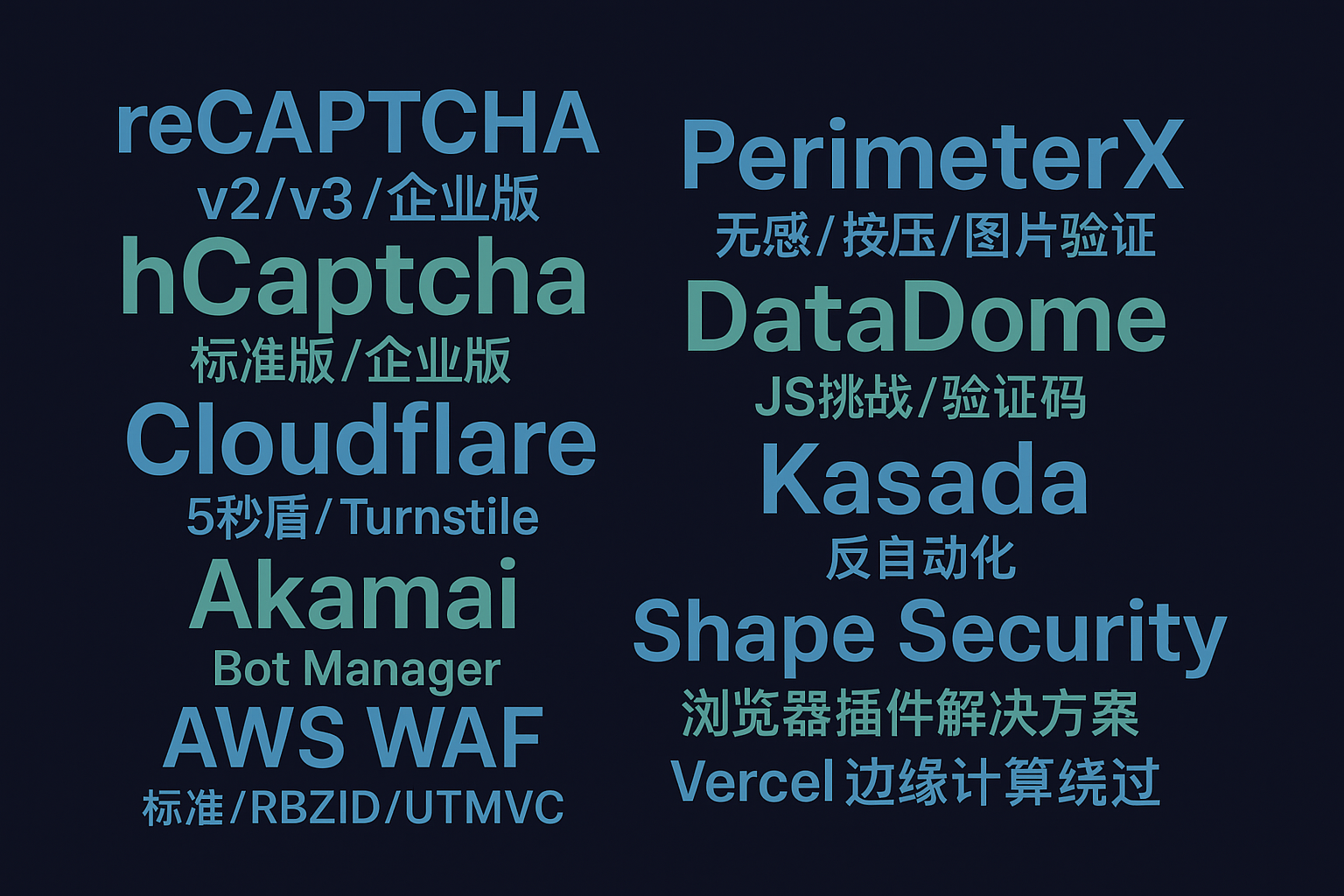
关键词标签: hCaptcha, AI防护, 图像识别, 对抗样本检测, 行为分析, 机器学习, 计算机视觉, 验证码技术, Python实现, 反自动化

智能硬件社区聚焦AI智能硬件技术生态,汇聚嵌入式AI、物联网硬件开发者,打造交流分享平台,同步全国赛事资讯、开展 OPC 核心人才招募,助力技术落地与开发者成长。
更多推荐

 30
30 0
0- 0


 已为社区贡献2条内容

所有评论(0)